
The Roar Before the 24
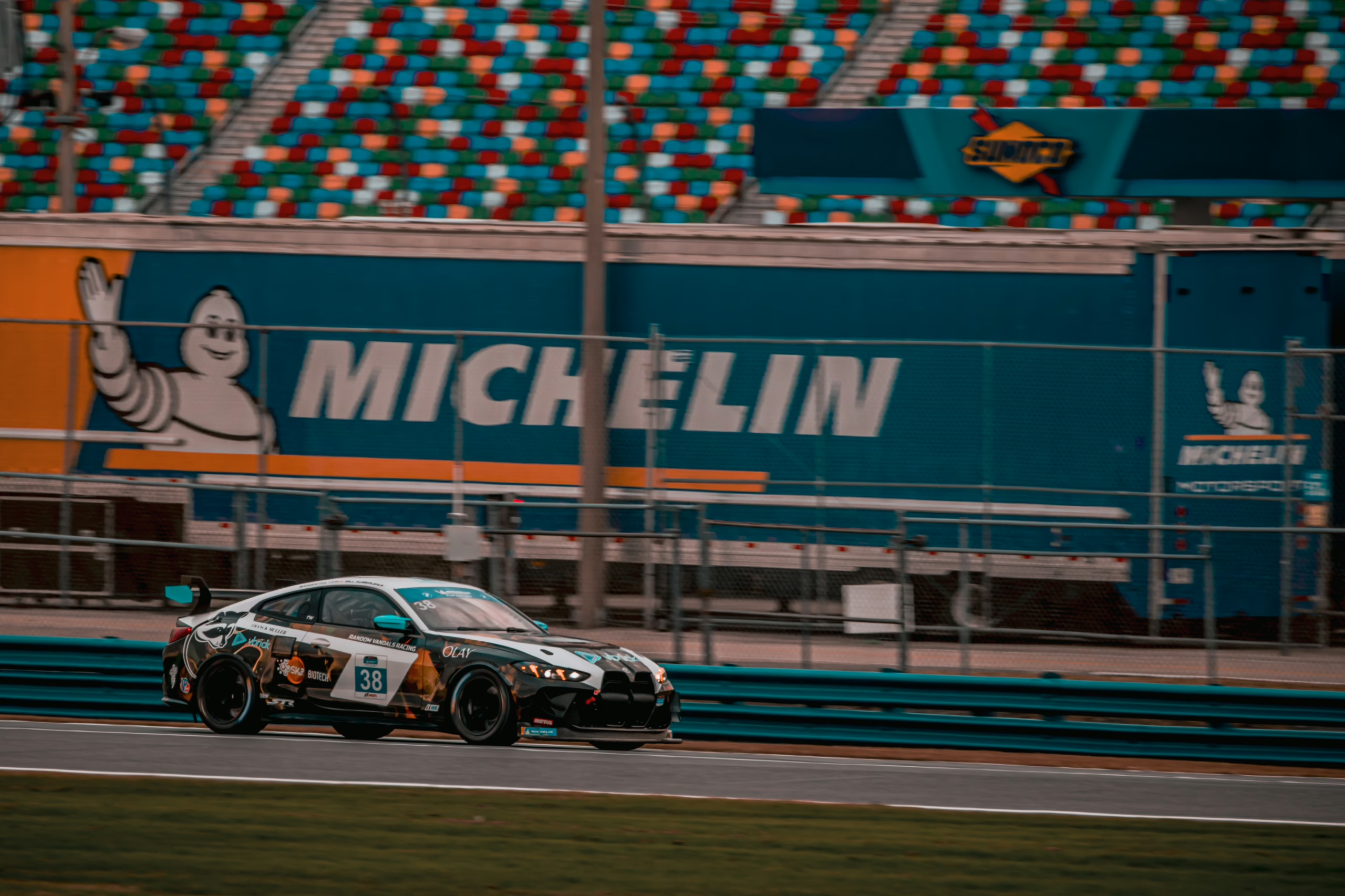
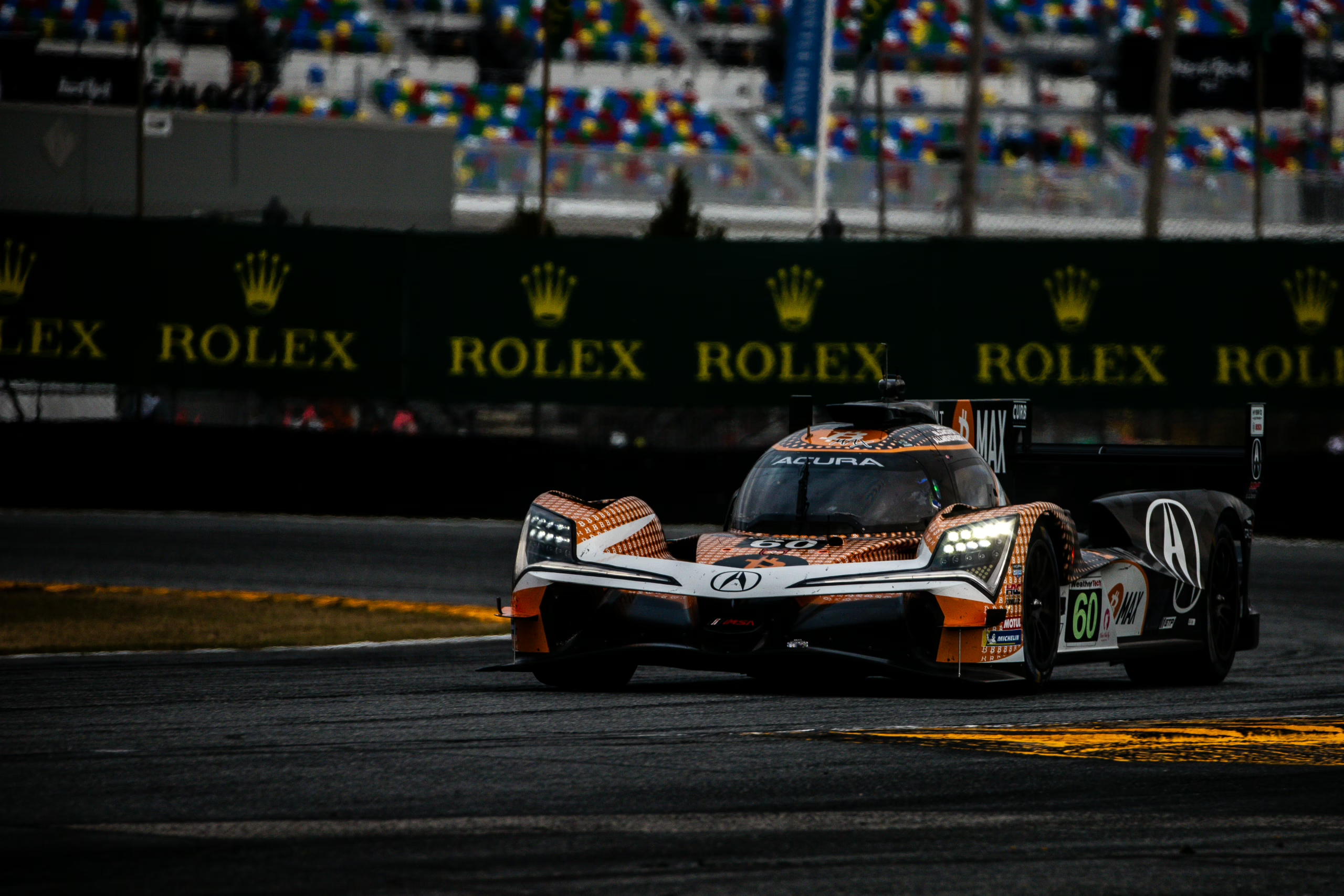
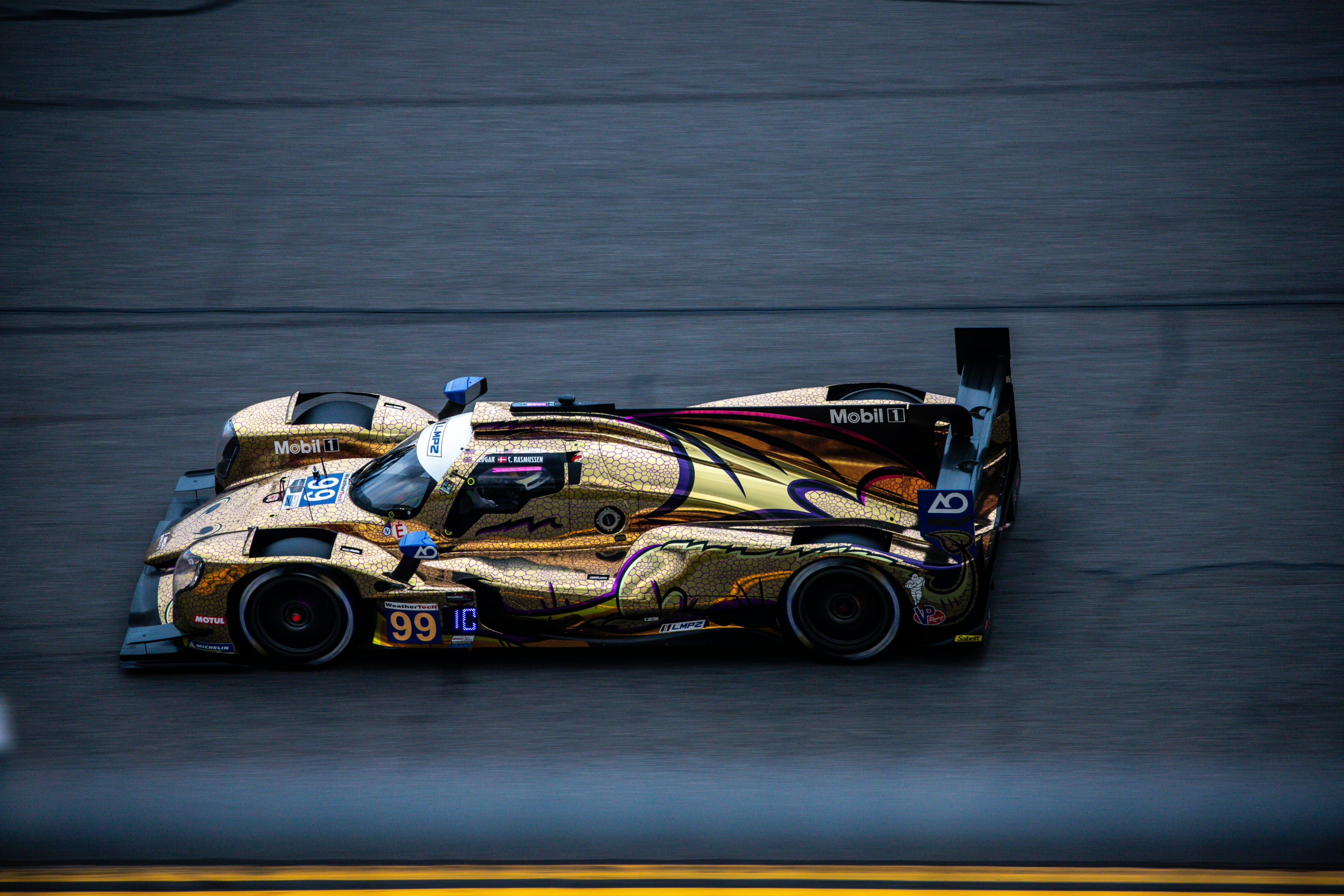
The Roar Before the 24 weekend at Daytona International Speedway did exactly what it’s supposed to do: expose strengths, weaknesses, and a few nerves before the marathon of the Rolex 24. Across the weekend, teams cycled through practice sessions, qualifying, and short-format races, all with one goal in mind — gather data and get comfortable before the real pressure arrives.
From the opening sessions, the paddock was all business. Crews focused heavily on long-run consistency, traffic management, and night-to-day transitions. Drivers pushed just hard enough to find limits without tearing up equipment, while engineers chased balance through Daytona’s unique mix of high banking and tight infield corners. It wasn’t flashy, but it was purposeful.
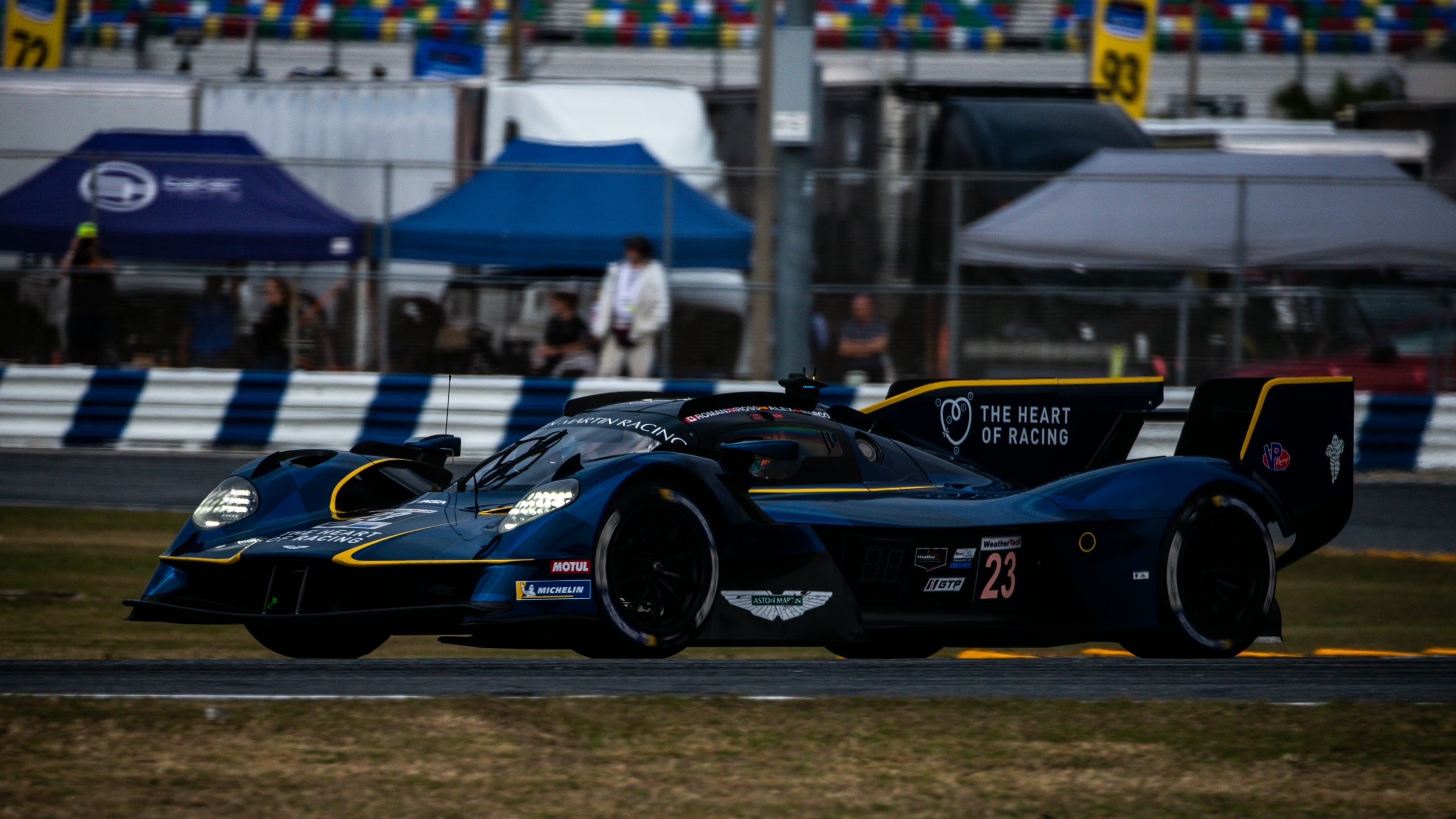
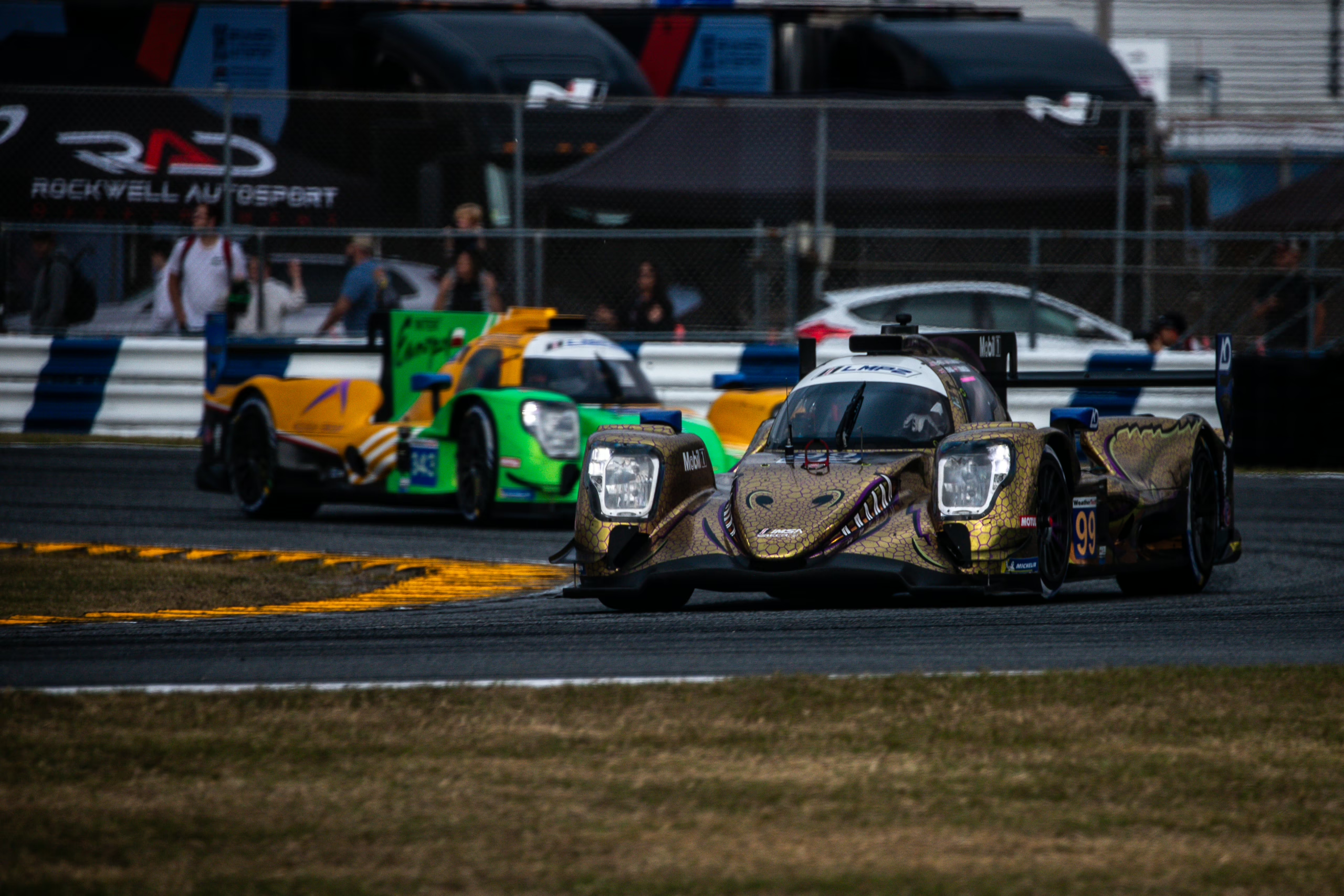
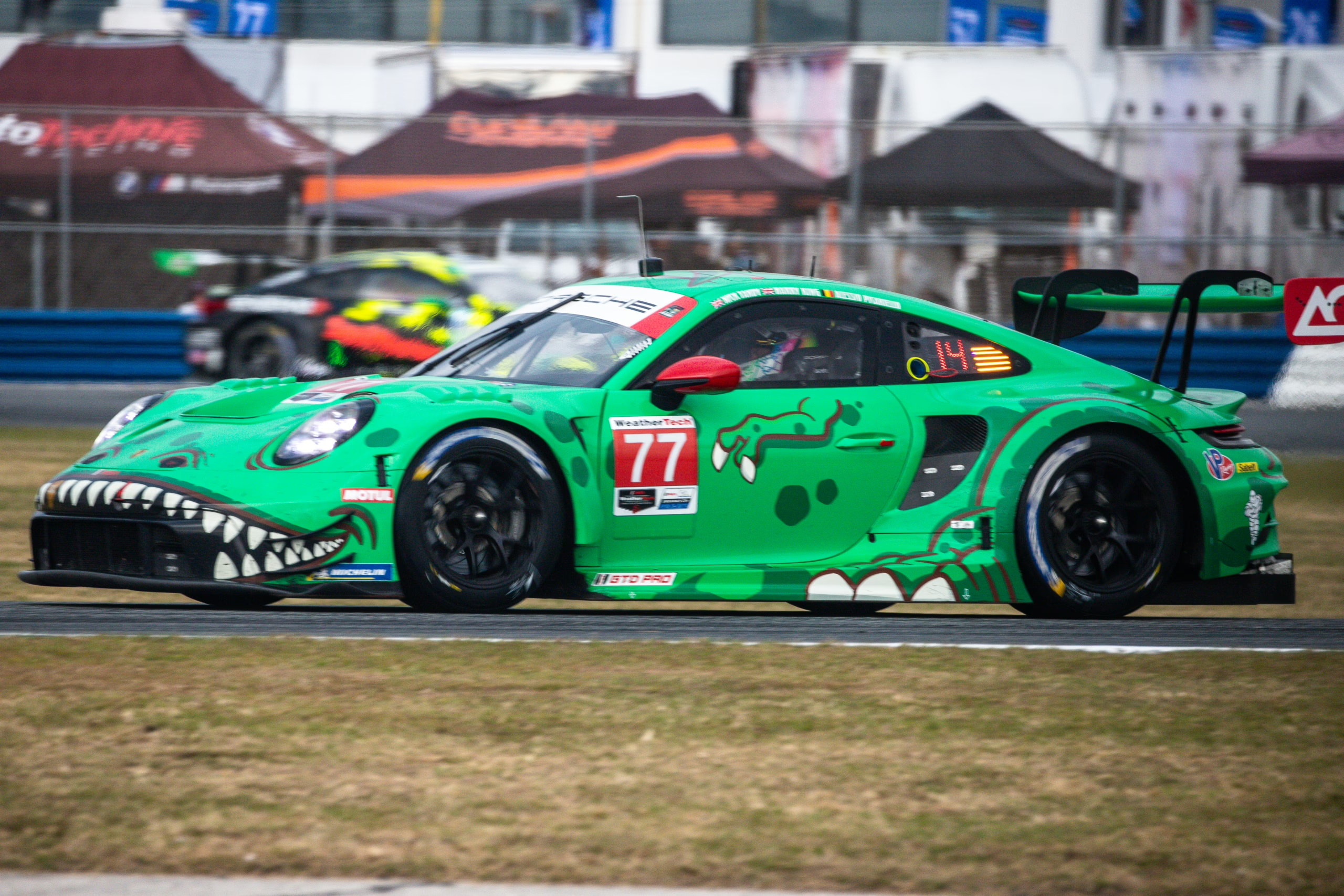
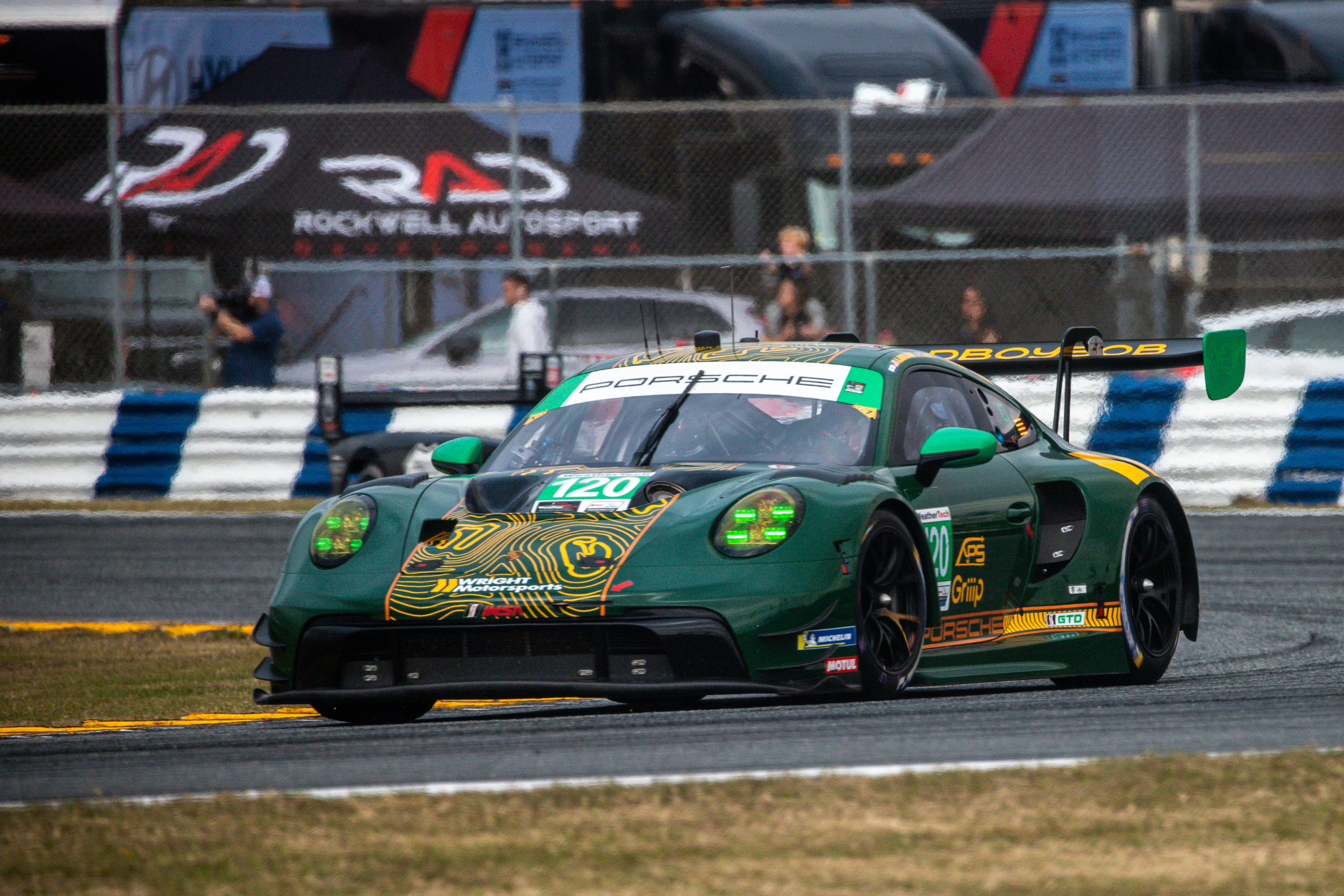
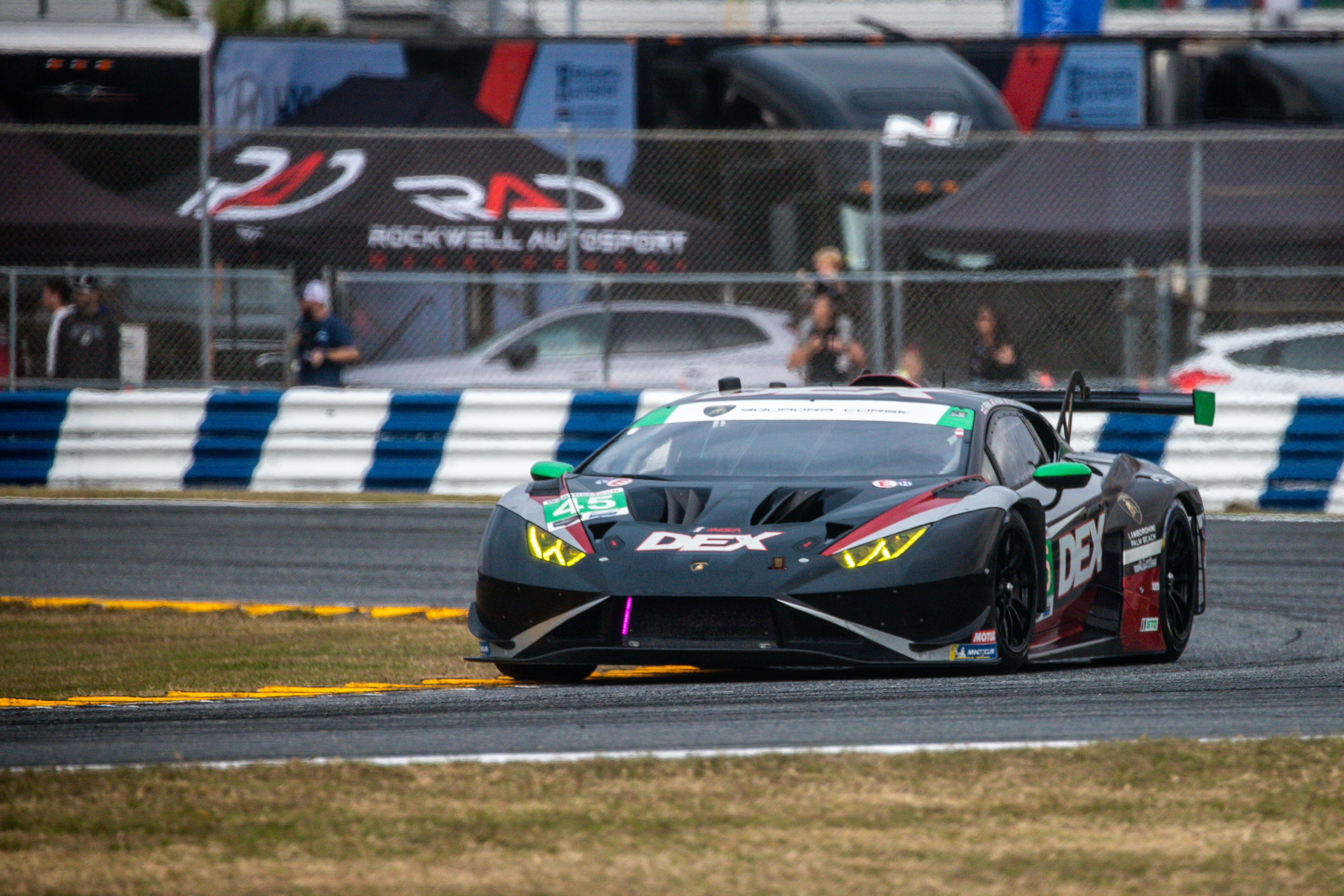
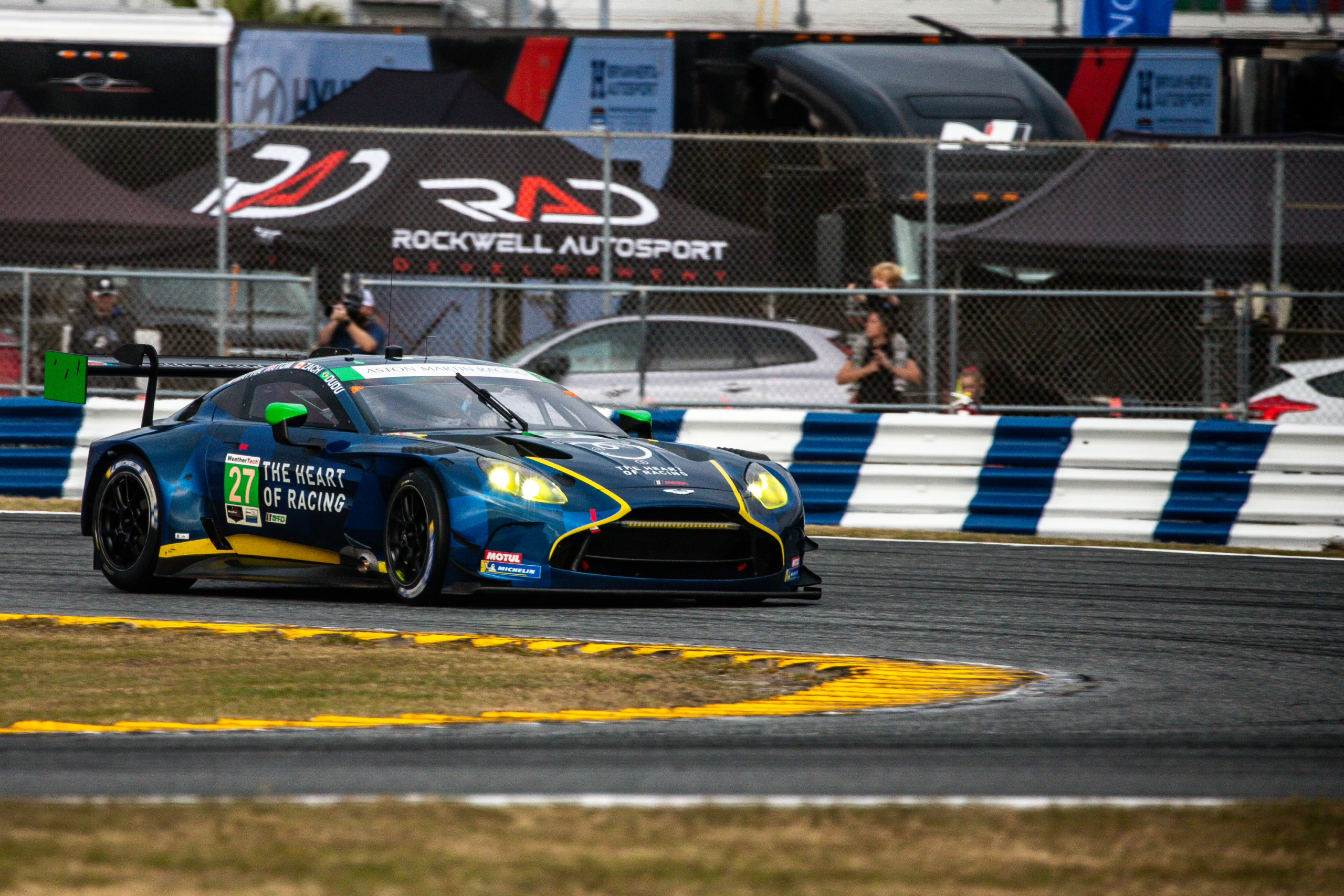
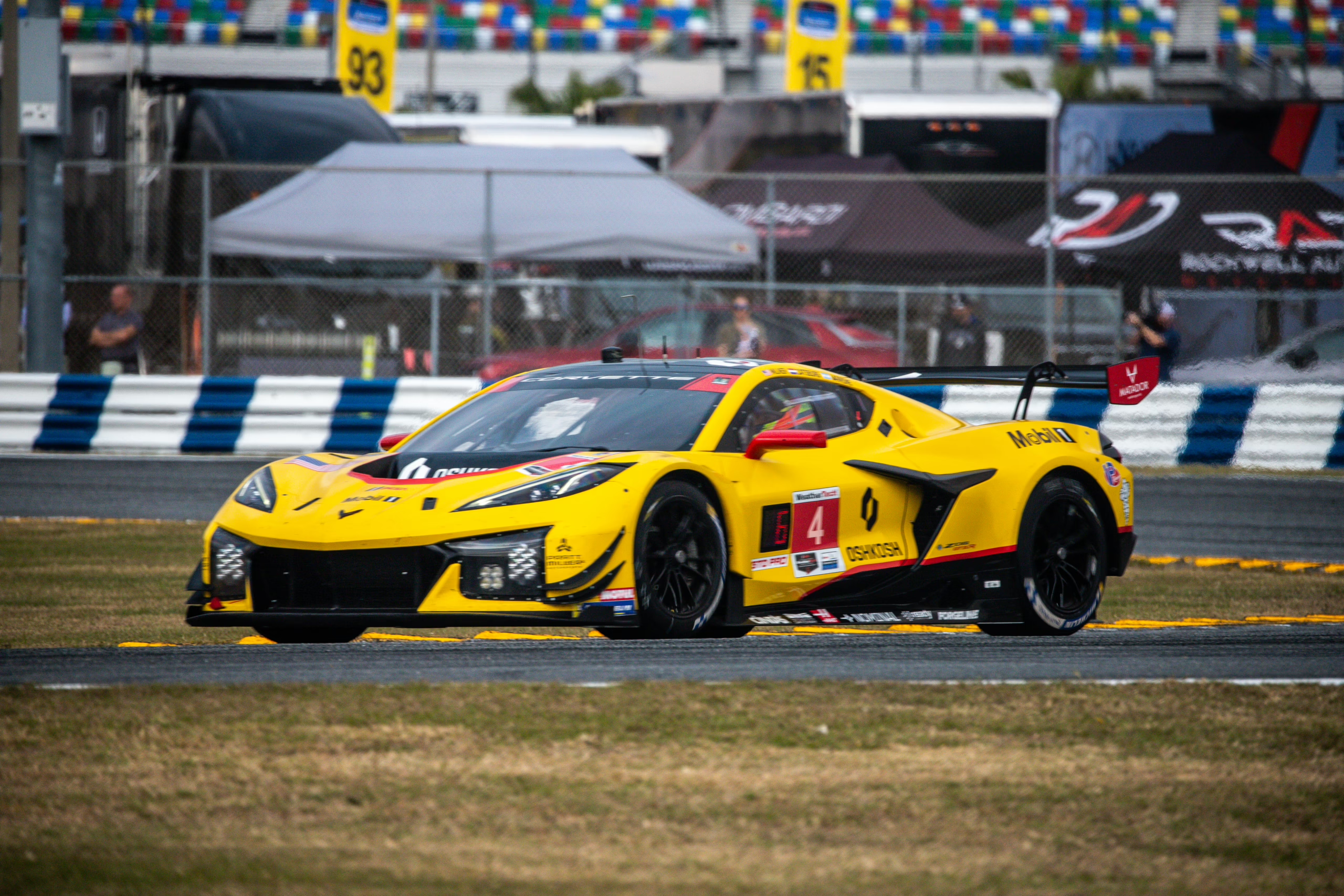
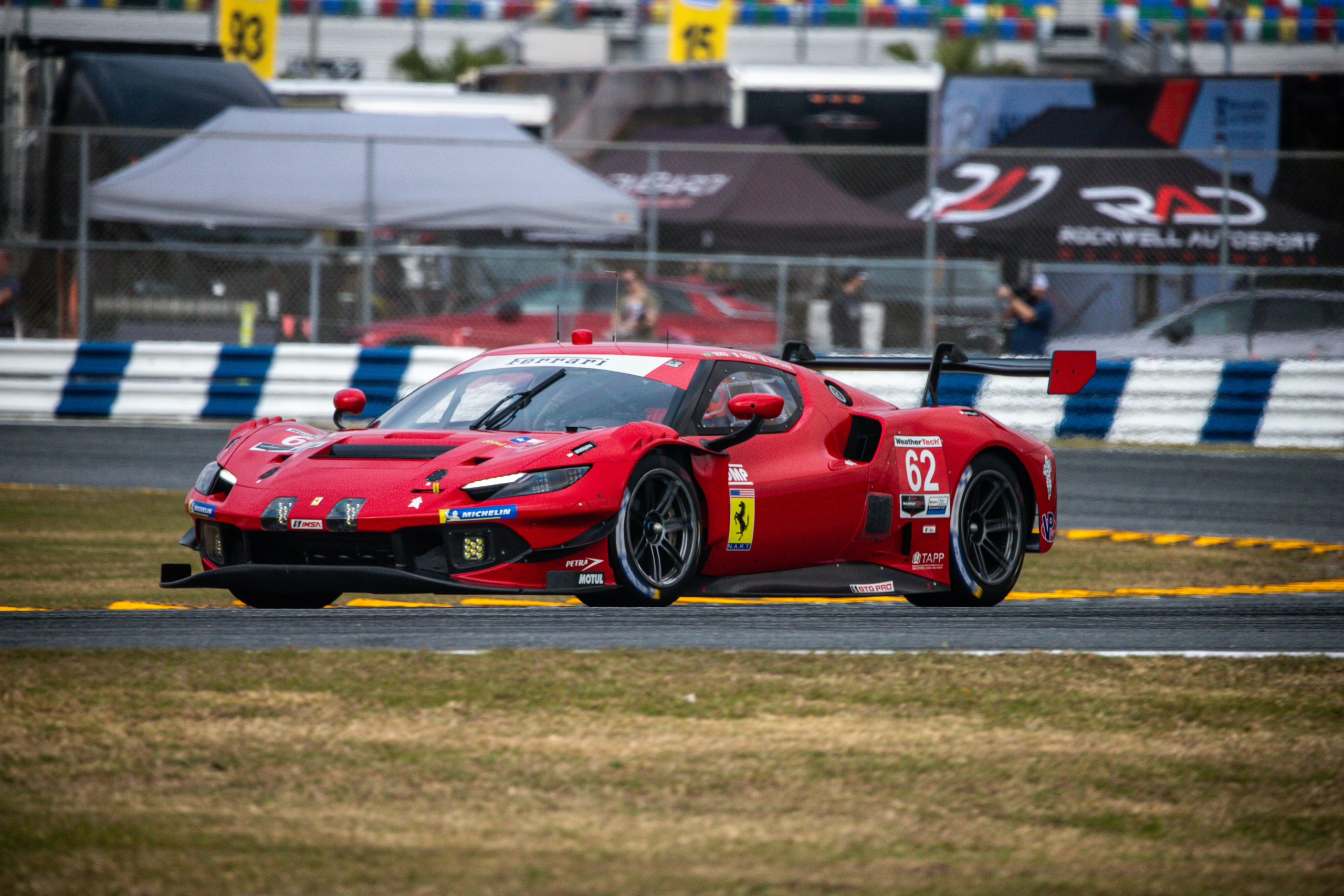
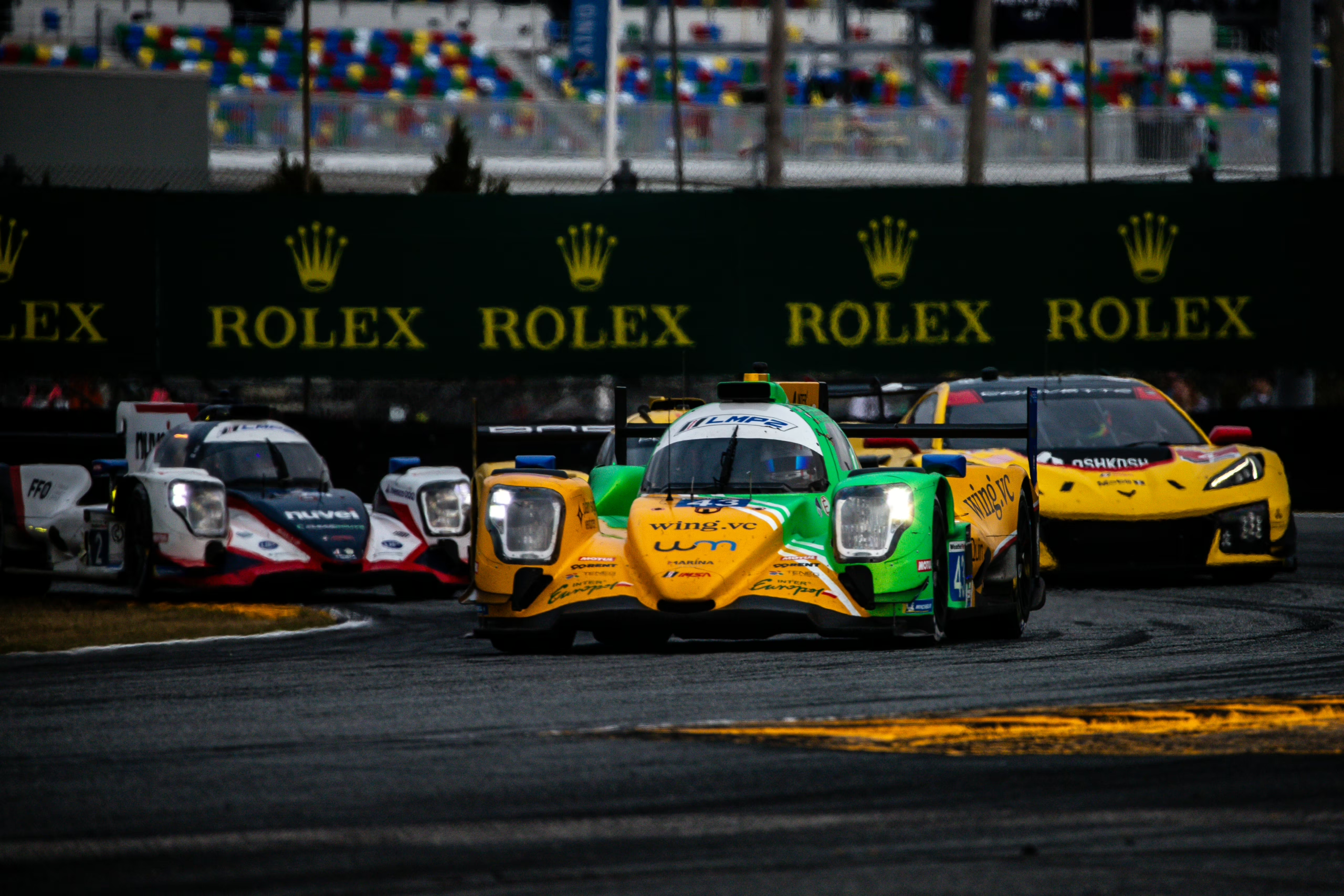
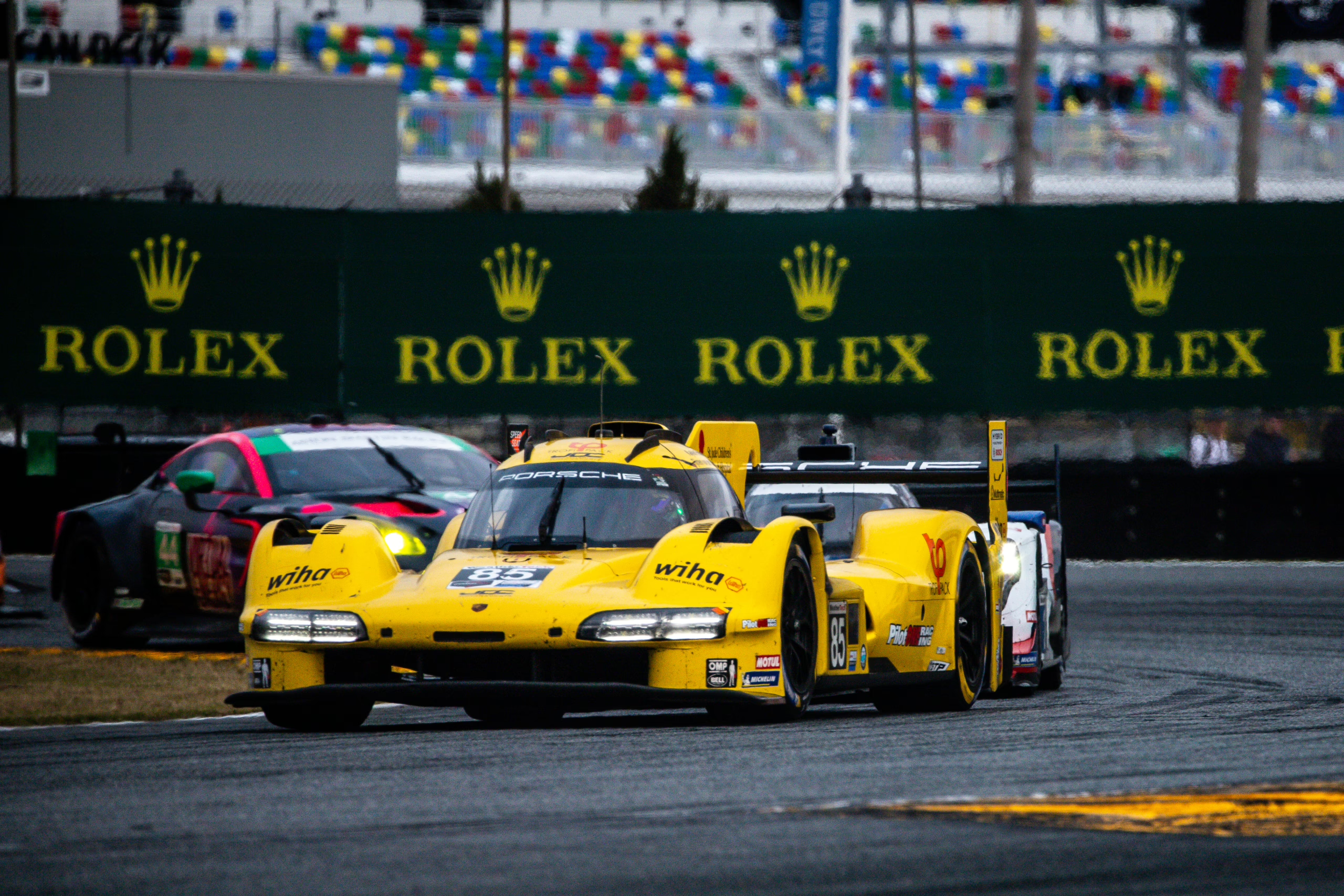
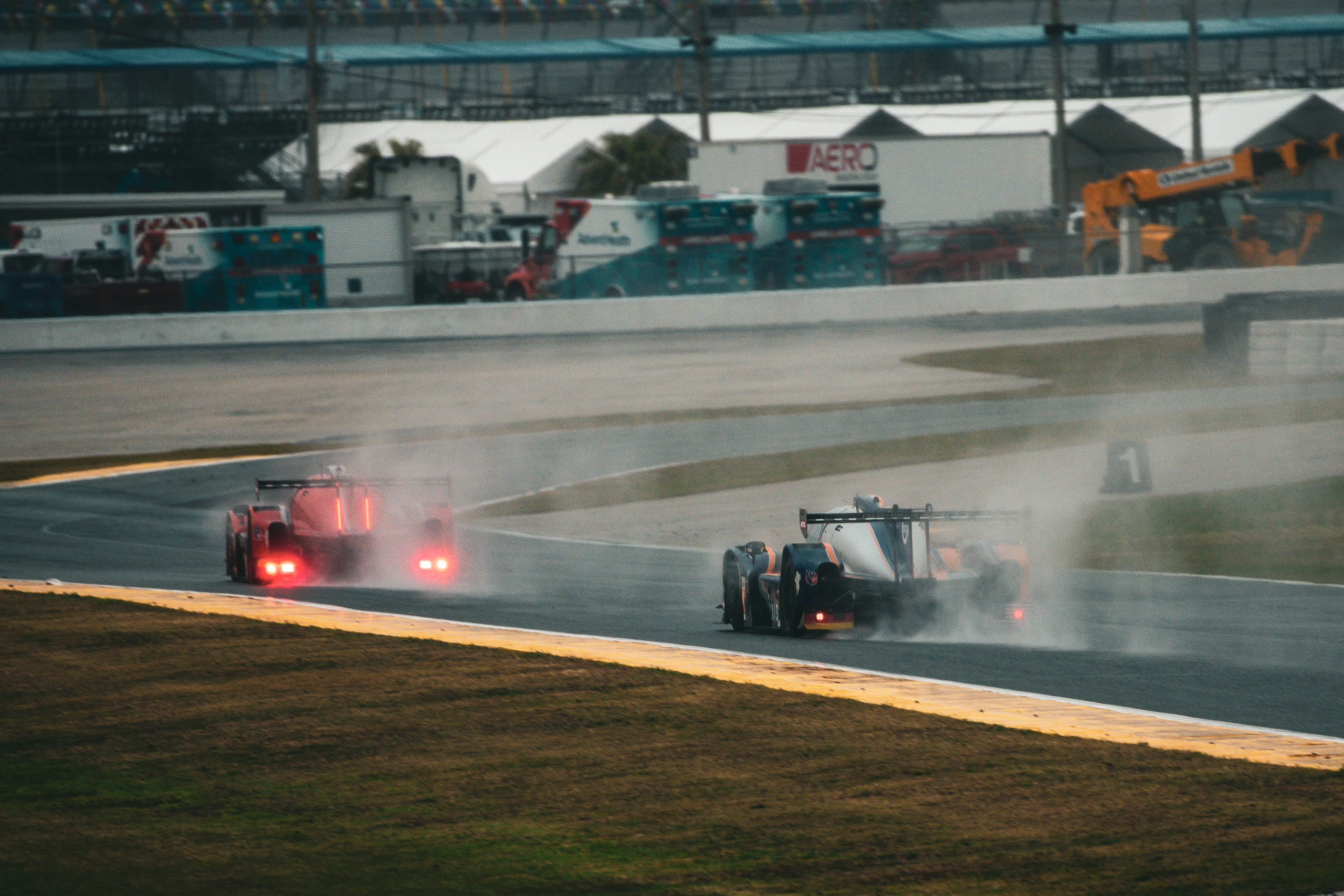
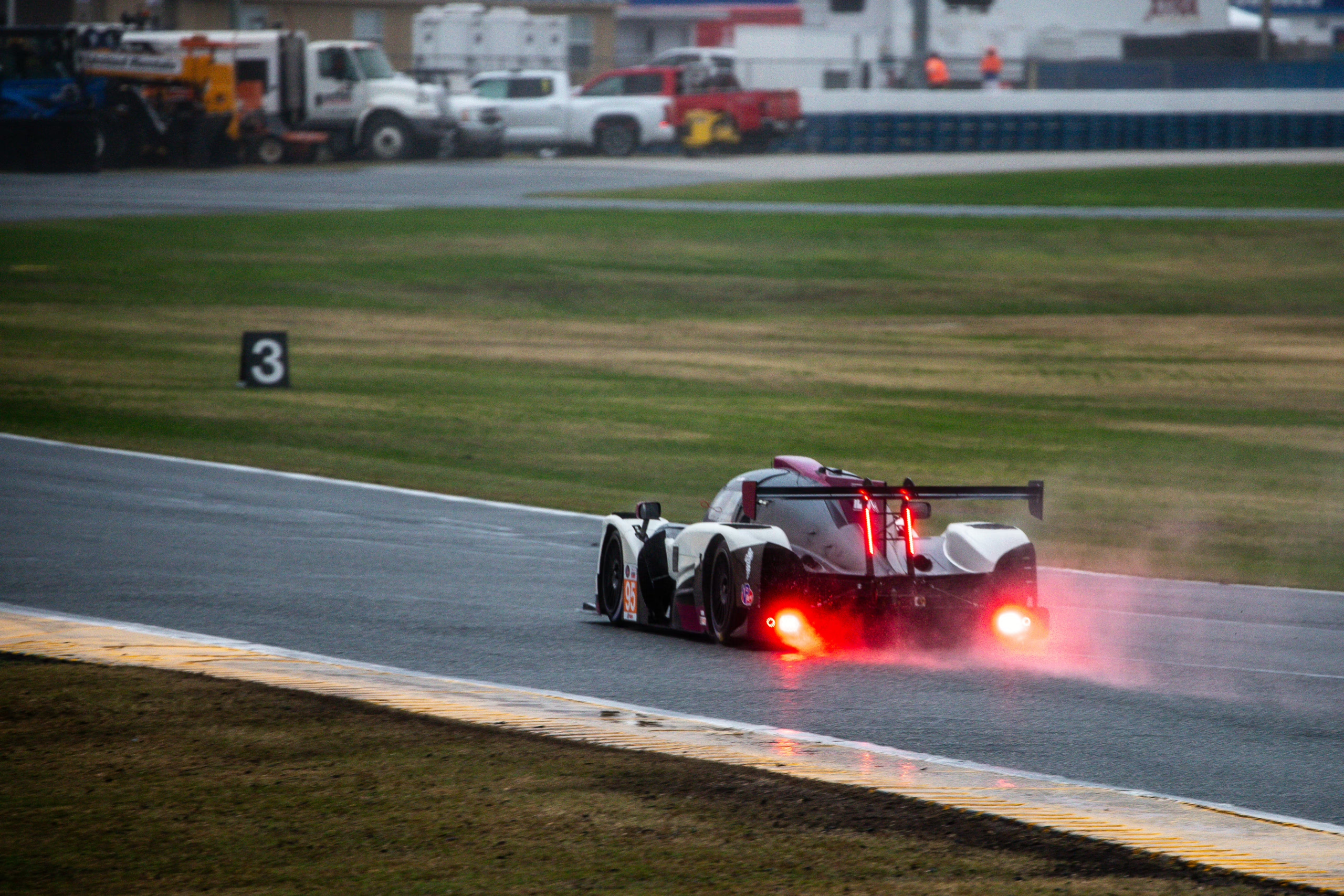
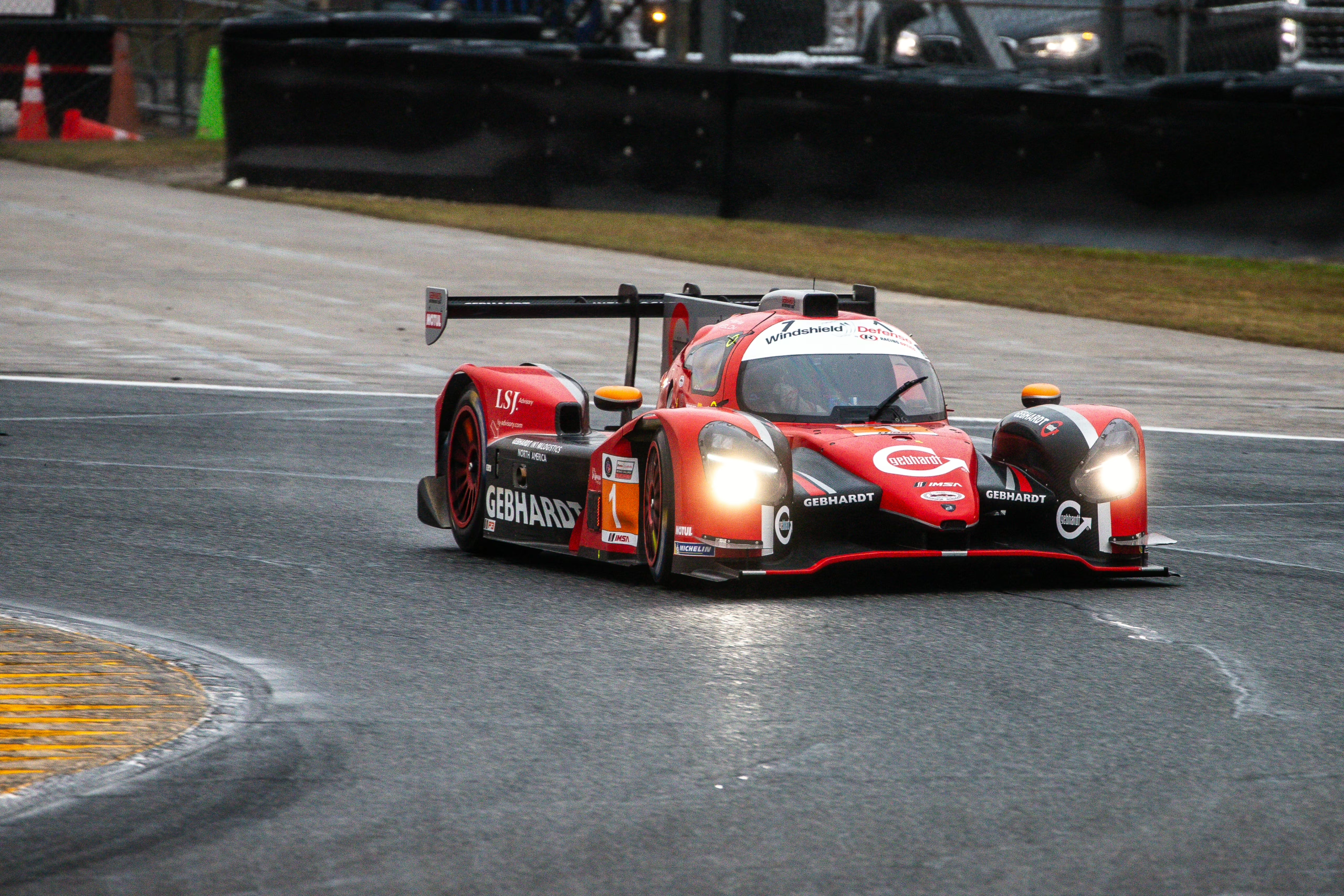
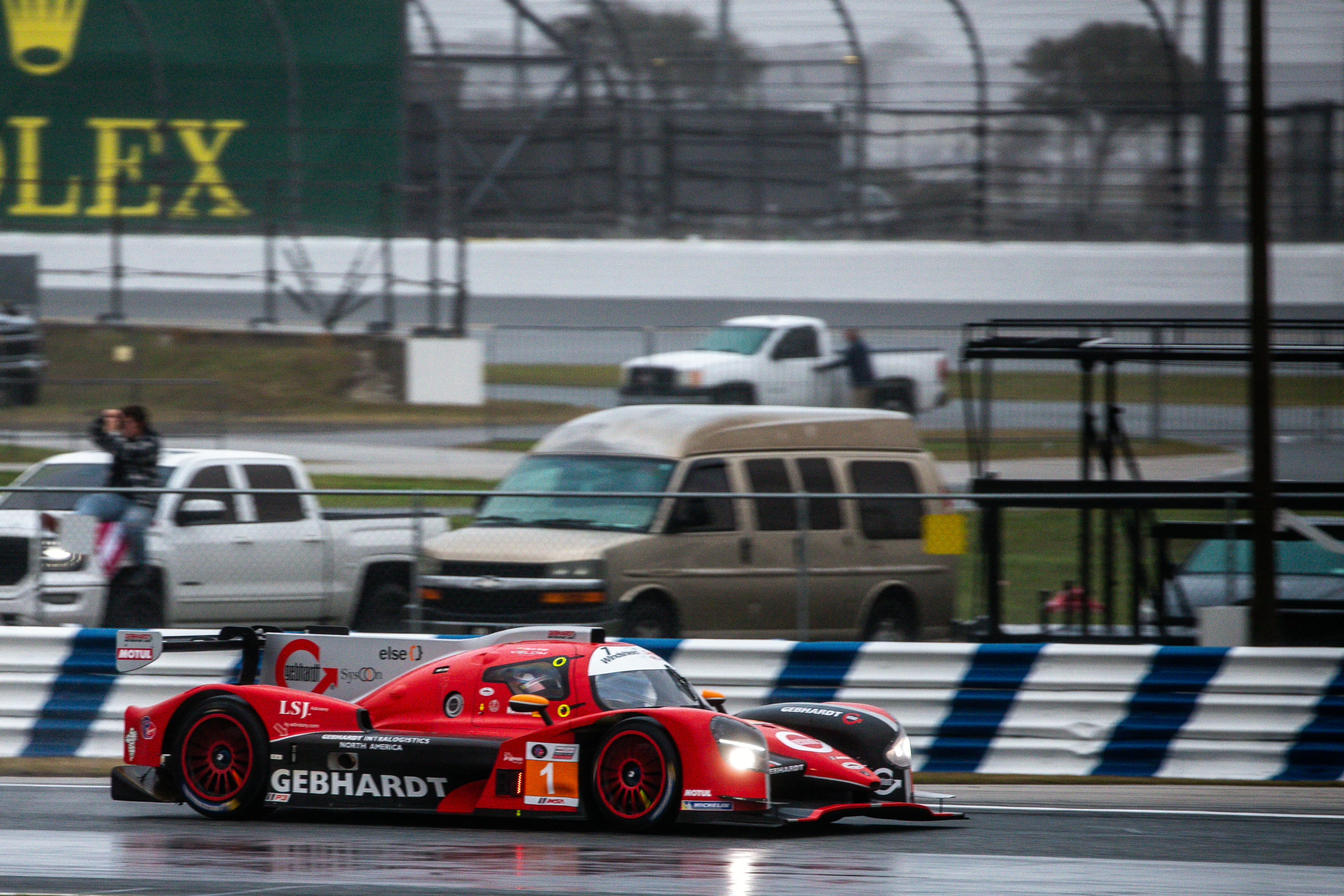
Sunday delivered the biggest storyline of the weekend when rain moved into the area. Conditions quickly shifted, forcing teams and race control to pivot on the fly. Wet tires, changing grip levels, and reduced visibility turned the track into a true test of discipline and adaptability. The rain added a layer of unpredictability that mirrored exactly what teams fear — and expect — during the 24-hour race.
The final race on Sunday became a showcase of patience and control rather than outright speed. Oscar Tunjo emerged as the winner, managing the conditions cleanly while others struggled to stay mistake-free. It was a reminder that at Daytona, especially in mixed conditions, smooth hands and smart decisions beat raw aggression every time.
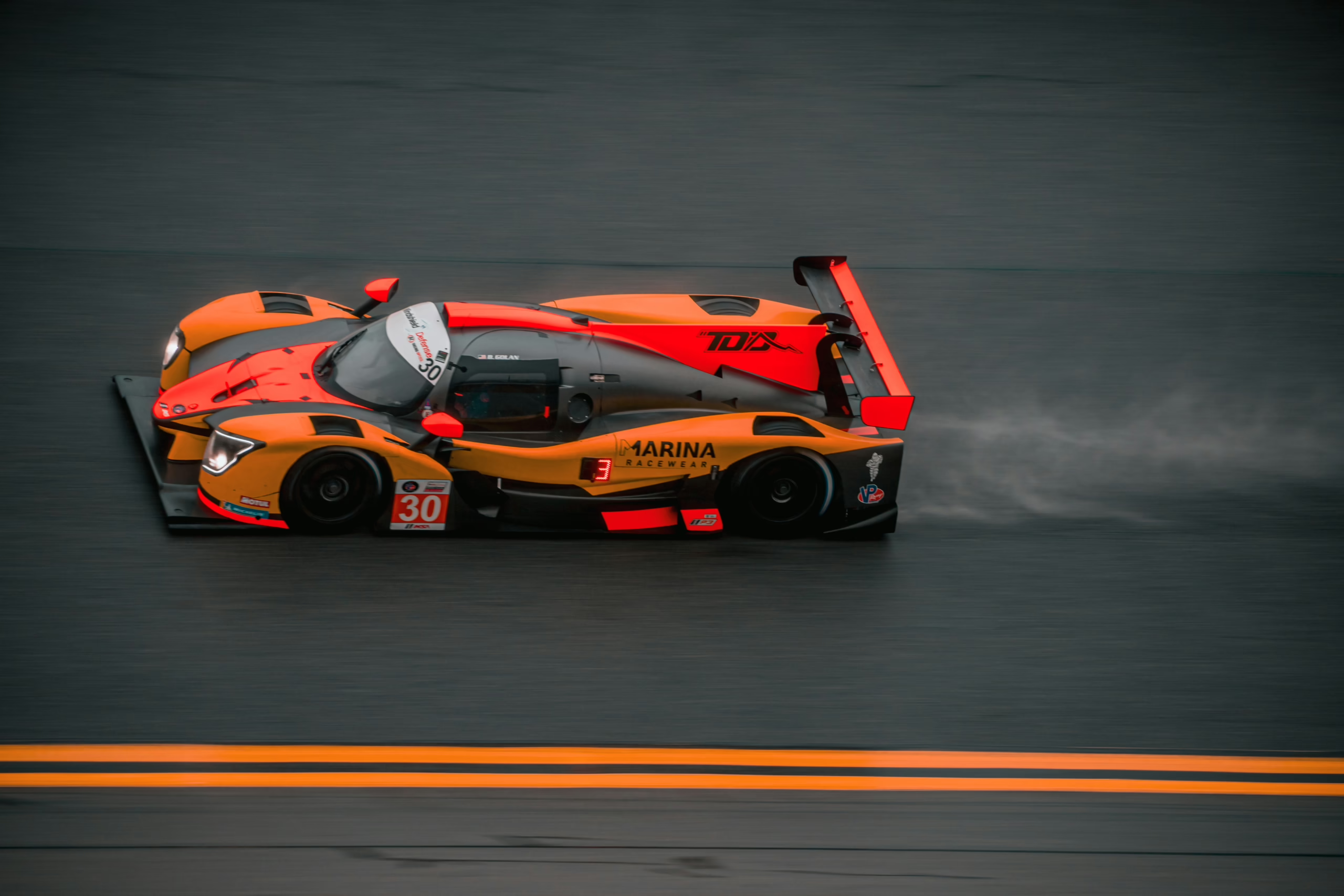
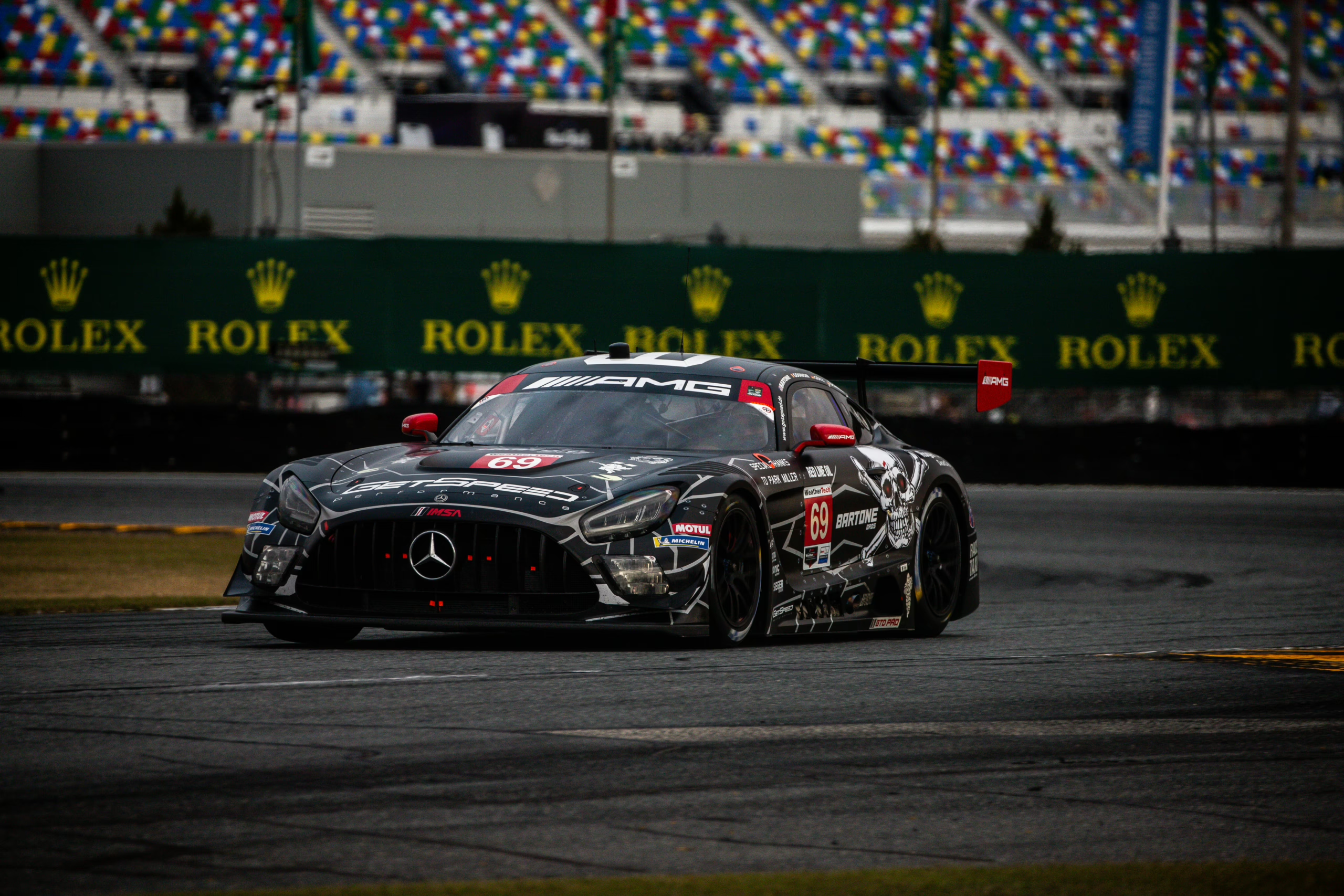
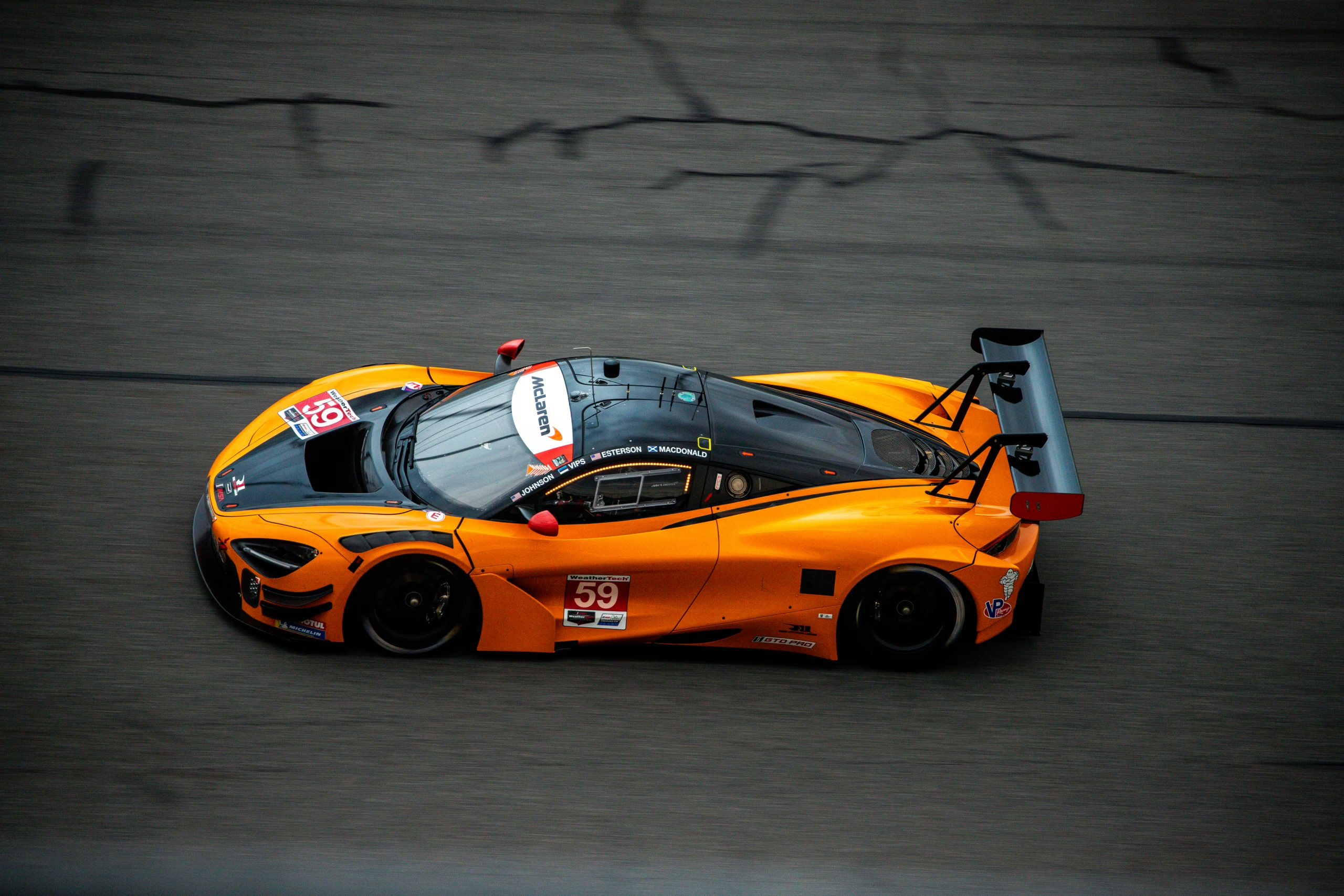
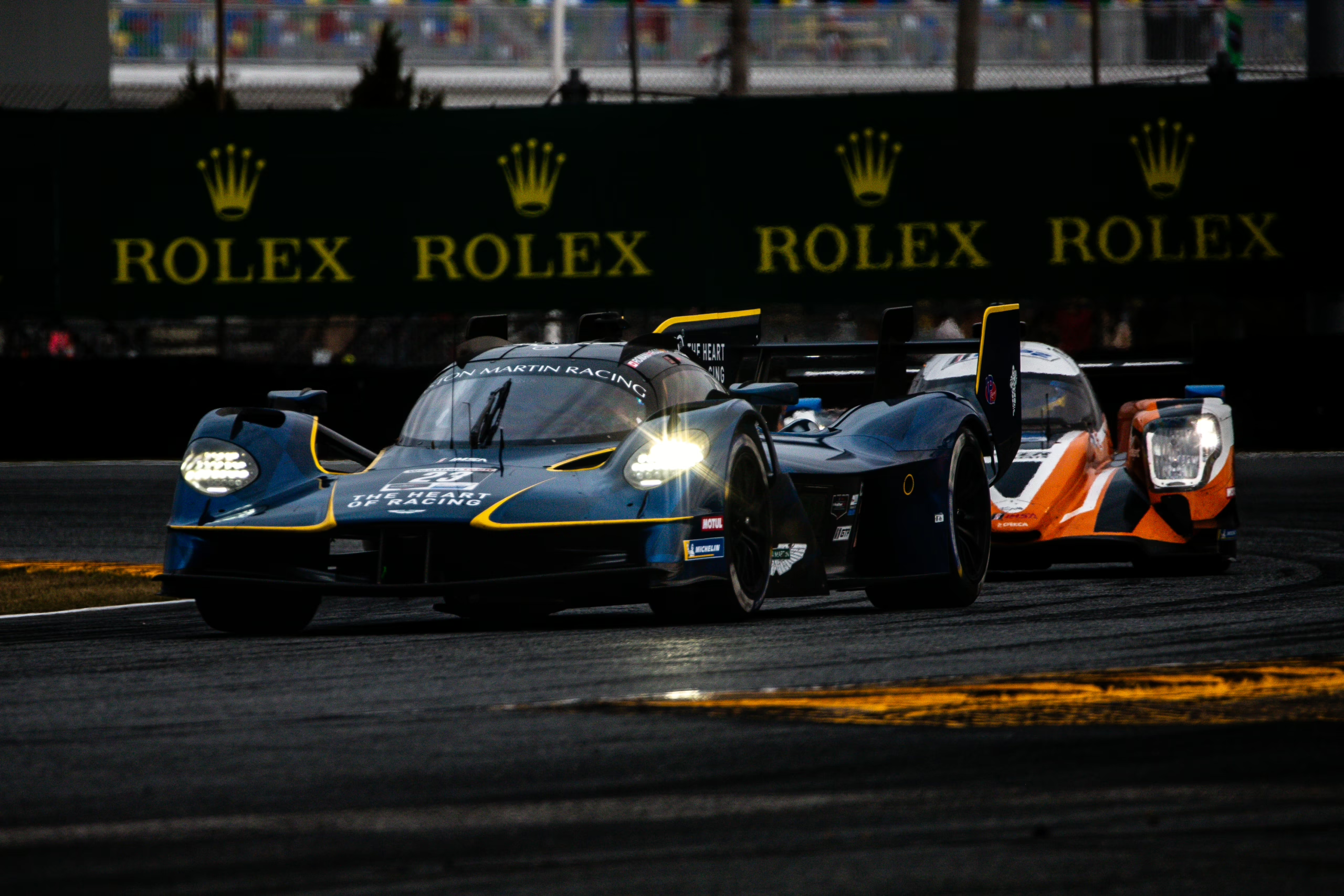
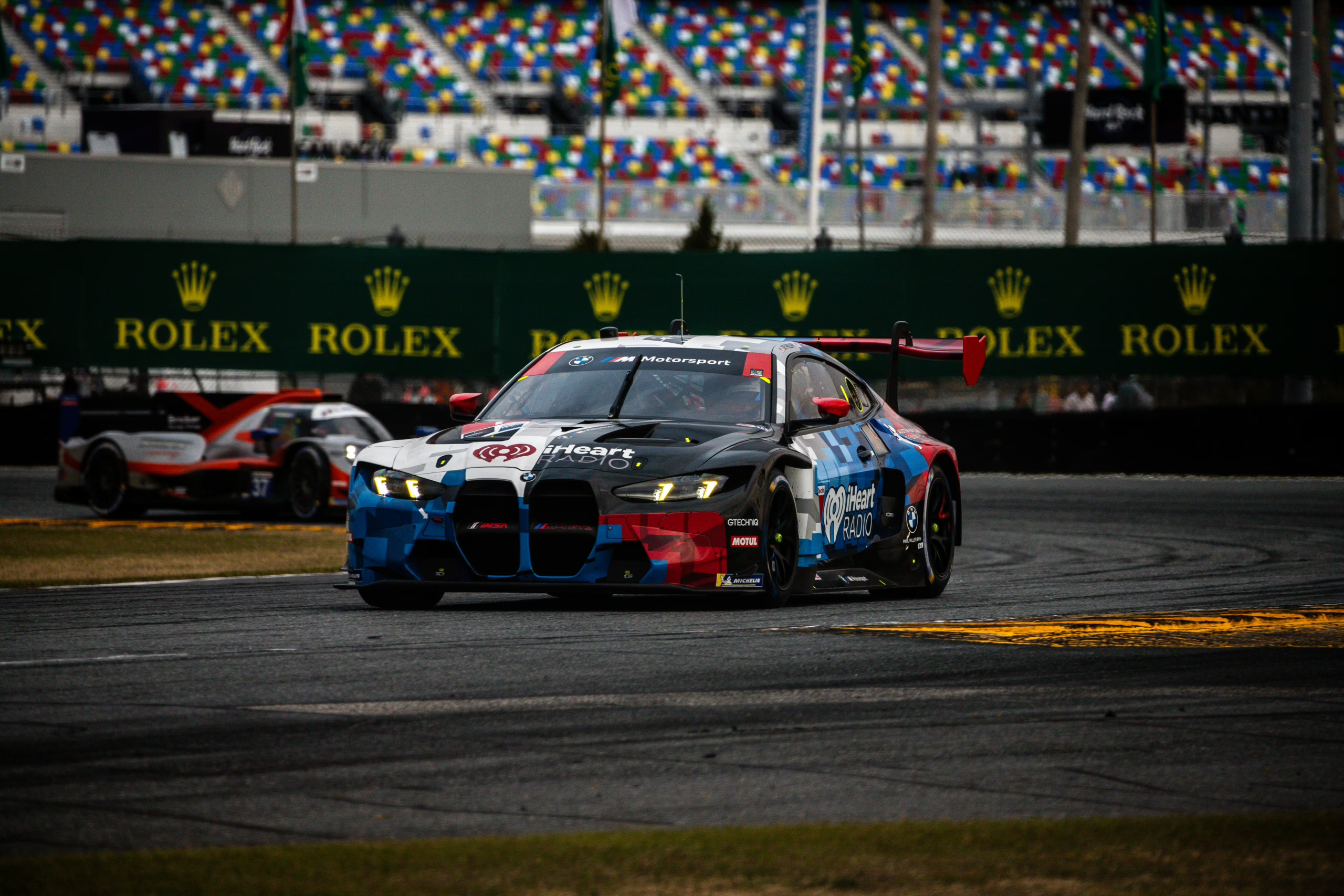
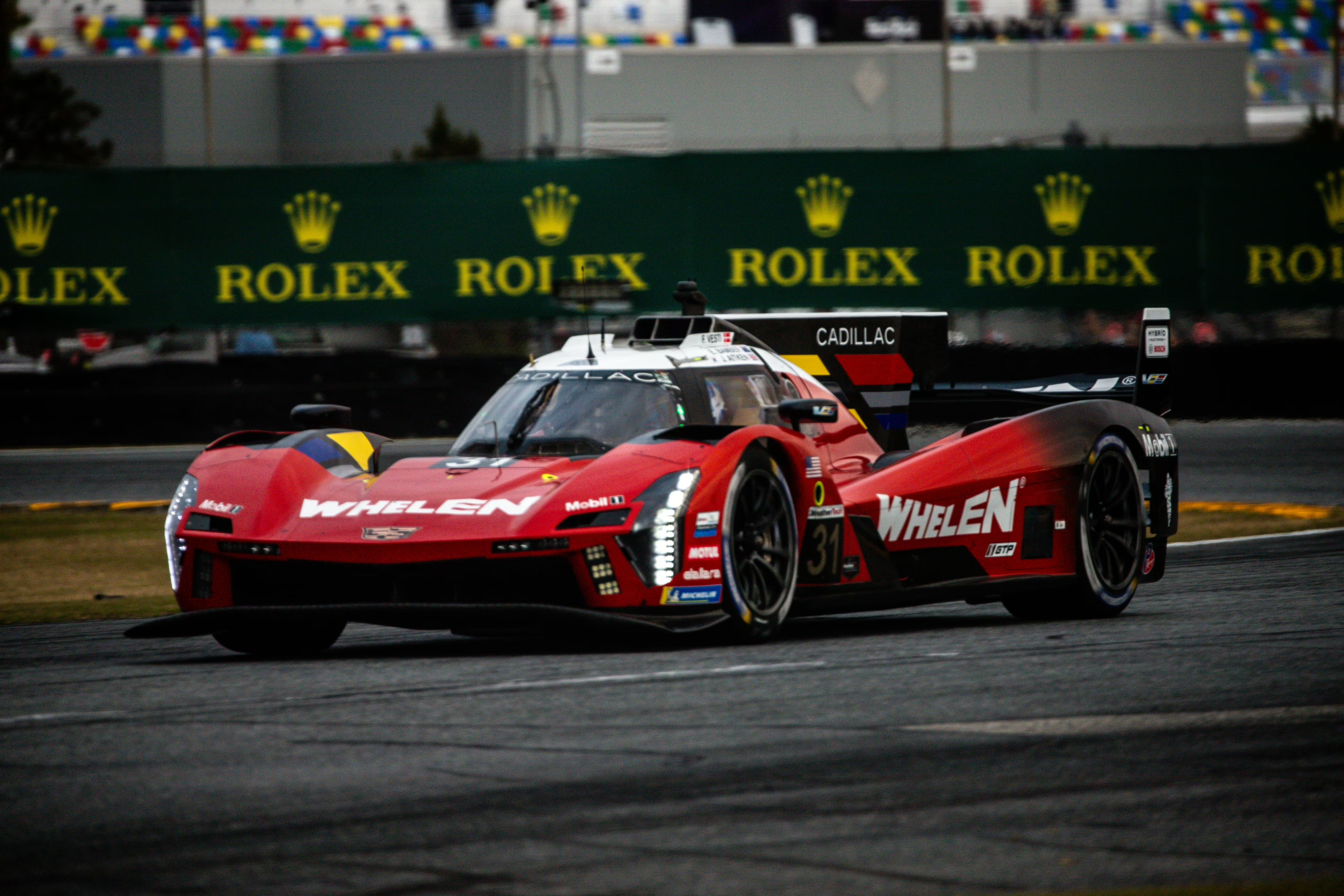
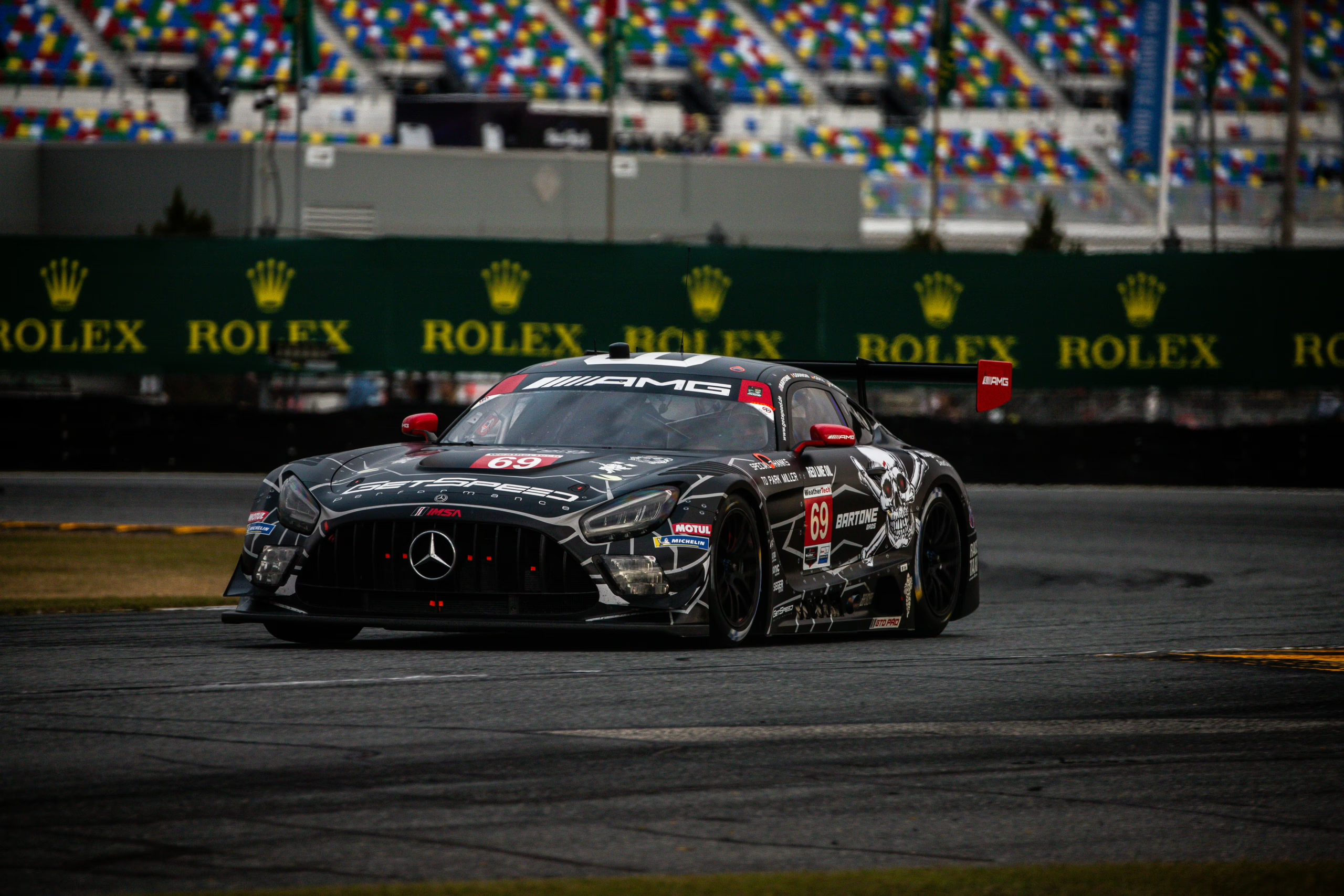
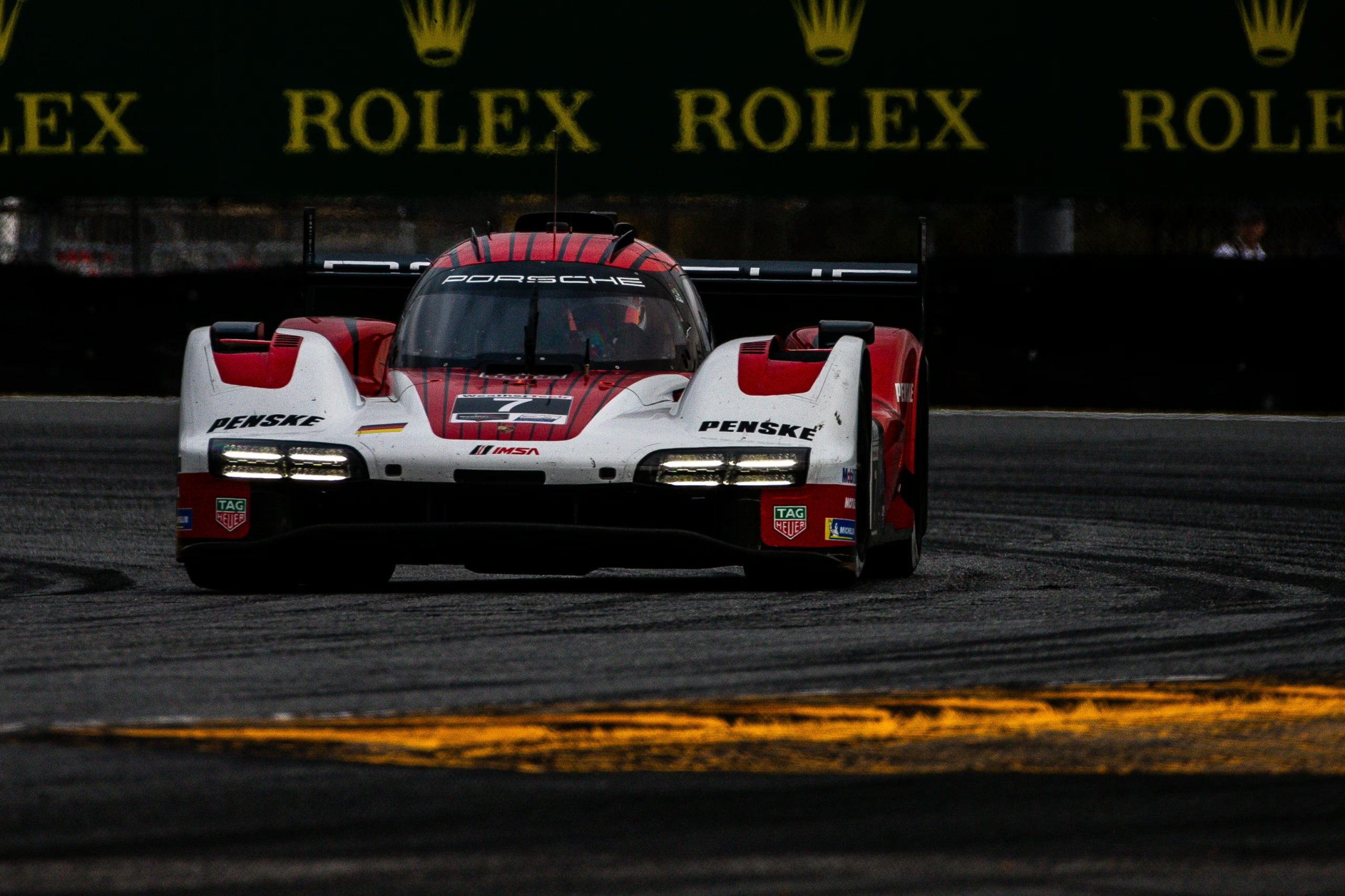
Overall, the event was handled efficiently and professionally. IMSA kept the focus where it belongs at the Roar: track time, safety, and preparation. No unnecessary theatrics — just cars on track, teams learning, and drivers sharpening their edge. The Roar once again proved why it’s an essential proving ground before endurance racing’s biggest stage.